
Toyota Camry 2001, model year 2001, is a classic sedan that has earned a reputation for reliability, comfort, and efficiency. One of the most distinctive features of the 2001 Camry is its 3.0‑liter V6 engine, which provides a blend of power, smooth, and fuel economy. In this article, we willFlutter dive deep into the engine’s identity, its technical specifications, performance characteristics, maintenance tips, and some common issues that owners may encounter. Whether you’re approval a new 2001 Camry, a seasoned owner, or just a car enthusiast, this guide will provide you with a thorough understanding of the engine that powers this iconic sedan.
Có thể bạn quan tâm: Toyota Camry 2.0 Nhập Từ Đài Loan: Nơi Hội Tụ Công Nghệ, Sự Sang Trọng Và Giá Trị Bền Vững
1. Engine Identification: 3.0‑L V6 – 4MZ‑E
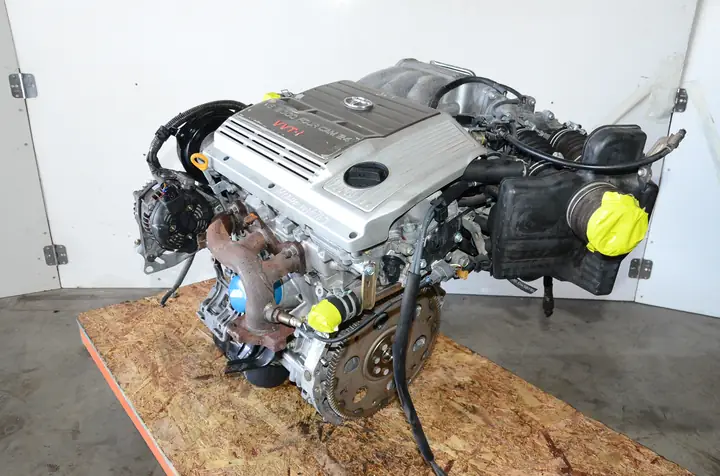
The 2001 Toyota Camry’s 3.0‑liter V6 engine is known by the designation 4MZ‑E. This engine is part of Toyota’s 4MZ family, which includes 2.5‑, 3.0‑, and 3.5‑litre variants. The 4MZ‑E is a naturally aspirated, all‑aluminium, DOHC 12‑valve engine, featuring a V6 layout that offers a compact form factor while delivering decent horsepower and torque.
- Engine Code: 4MZ‑E
- Displacement: 3,044 cc (3.0 L)
- Configuration: V6, 90‑degree angle
- Valvetrain: DOHC, 12 valves (2 per cylinder)
- Construction: Aluminium head & block
- Compression Ratio: 10.5:1
- Fuel System: Multi‑Point Fuel Injection (MPFI)
- Camshaft Drive: Timing belt
- Power Output: 165 hp @ 5,200 rpm (varies slightly between North American and European markets kopp)
- Torque: 181 lb‑ft @ 3,200 rpm
The 4MZ‑E engine is celebrated for its smooth operation and robust construction. It shares many components with the 2.5‑L 4MZ‑E and 3.5‑L 2UZ‑E, which simplifies parts availability and service procedures for owners. The V6 layout is particularly appealing for those who want a bit more power than the 4-cylinder 2.5‑L engine, but still within a relatively compact and lightweight package.
2. Key Features and Design Highlights
2.1 Aluminum Construction
Both the cylinder block and heads are made from aluminum, reducing overall weight and improving thermal conductivity. This design aids in quicker engine warm‑up and better heat dissipation, which can translate into more consistent performance and lower wear over time.
2.2 DOHC 12‑Valve Design
The Dual Overhead Camshaft (DOHC) architecture allows for more precise valve timing and better airflow through the engine. With 12 valves (two per cylinder), the engine can breathe efficiently, providing a balance between low‑end torque and high‑end horsepower. This design also allows for a lower compression ratio, which can reduce knocking and improve fuel compatibility.
2.3 Multi‑Point Fuel Injection (MPFI)
The engine utilizes an MPFI system, which injects fuel directly into each cylinder’s intake manifold. This technology improves fuel atomization and combustion efficiency, leading to better fuel economy and cleaner emissions compared to older throttle‑body injection systems.
2.4 Timing Belt System
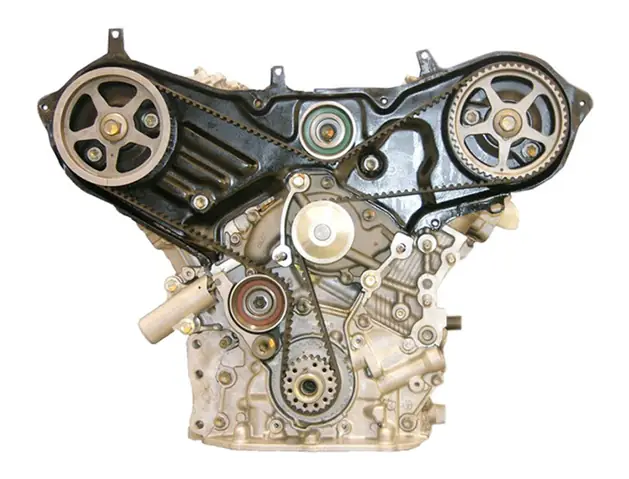
The camshaft is driven by a timing belt, not a chain. Timing belts require periodic replacement (typically every 100,000 km or 7–10 years, whichever comes first). A broken timing belt can cause catastrophic engine damage, so it is essential to adhere to the manufacturer’s recommended schedule.
2.5 Valvetrain and Engine Mounting
The 4MZ‑E features a valvetrain that is relatively low‑profile, which allows for an efficient engine mounting design. This contributes to the Camry’s balanced handling and reduces vibration at higher RPMs.
Có thể bạn quan tâm: Toyota Camry 2.5q 2019 – Vẫn Là “ngọn Lửa Thể Thao” Trên Đường Cạn
3. Performance and Driving Experience
3.1 Power Delivery
The 165 hp output at 5,200 rpm translates to a smooth acceleration curve. A 2001 Camry with the 3.0‑L V6 can accelerate from 0 to 100 km/h in roughly 8.5–9.0 seconds, depending on the exact transmission and vehicle weight. The torque curve (181 lb‑ft @ 3,200 rpm) ensures that the engine feels responsive in everyday driving, especially in city traffic and on highway merges.
3.2 Fuel Economy
Fuel efficiency for the 2001 Camry V6 is typically around 9.5–10.5 L/100 km in combined city/highway driving. While this is less efficient than the 2.5‑L 4-cylinder counterpart, the difference is mitigated by the V6’s ability to deliver more power without lugging the engine. Owners who drive primarily on highways or require more towing capacity may find the V6’s fuel economy acceptable.
3.3 Towing and Payload
The 4MZ‑E is capable of towing light trailers or pickups with a modest payload. The engine’s torque provides a reliable pulling forceuct, but it is advisable to check the vehicle’s maximum towing capacity (usually around 1,500–1,800 kg) and ensure that the transmission and cooling system are well-maintained.
4. Common Maintenance Items for the 4MZ‑E
4.1 Oil and Filter Changes
- Interval: Every 10,000 km or 12 months (whichever comes first), using 5W‑30 synthetic oil or an equivalent.
- Tip: Use a quality oil filter that matches the manufacturer’s specifications. A clogged filter can compromise oil pressure and engine longevity.
4.2 Timing Belt Replacement
- Interval: Typically every 100,000 km or 7–10 years. The exact interval can differ based on regional regulations and climate conditions.
- Procedure: Theplein belt is typically replaced along with the water pump, tensioner, and idler pulleys. It hankali recommended to replace all associated components to avoid future failure.
4.3 Spark Plug Replacement
- Interval: Every 60,000 km or 5 years.
- Type: Iridium or platinum plugs are recommended for better durability and performance. Using a standard copper plug can lead to misfires and decreased fuel economy.
4.4 Cooling System Checks
- Radiator and Hoses: Inspect for leaks, cracks, or wear. Replace as needed.
- Coolant: Change every 120,000 km or 10 years. Use a coolant that meets Toyota’s specifications (typically a 50/50 mix of antifreeze and water).
- Thermostat: Replace if the engine fails to reach optimal operating temperature or if overheating occurs.
4.5 Fuel Injection System
- Fuel Filter: Replace every 120,000 km or 7–10 years.
- Injector Cleaning: If the engine shows rough idling or reduced power, consider cleaning the injectors or having them professionally serviced.
4.6 Valvetrain and Camshaft Timing

Có thể bạn quan tâm: Toyota Camry 2.5q 2019 Về Việt Nam: Pòng Tới Lợi Ưu Cho Các Giáo Học Sử
- Camshaft Timing: Inspect for any signs of wear or misalignment. A premature camshaft bearing wear can reduce valve lift and cause a loss of power.
- Valve Clearance: Adjust as per the service manual, typically every 40,000 km or 4 years, to maintain optimal performance.
5. Common Issues and Troubleshooting
5.1 Timing Belt Tensioner Failure
Symptoms:
– Engine misfire
– Rough idling
– Decreased power
– Failure to start
Solution: Replace the timing belt tensioner along with the belt and other associated components.
5.2 Oil Leaks
Typical Sources:
– Valve cover gasket
– Oil pan gasket
– Front main seal
Fix: Replace the respective gasket or seal. Some leaks may be minor and can be temporarily sealed with epoxy, but a permanent fix requires disassembly.
5.3 Overheating
Causes:
– Coolant leaks
– Thermostat malfunction
– Low coolant level
– Water pump failure
Fix: Inspect the cooling system, replace faulty parts, and ensure proper coolant levels.
5.4 Low Fuel Pressure
Symptoms:
– Rough idling
– Reduced acceleration
– Hard starting
Causes:
– Faulty fuel pump
– Clogged fuel filter
– Fuel pressure regulator issues
Fix: Test fuel pressure with a gauge. Replace the appropriate component.
5.5 Power Loss and Rough Idling
Potential Causes:
– Dirty or clogged air filter
– Faulty spark plugs
– Failed sensors (e.g., MAP, O2)
– Engine vacuum leaks
Fix: Clean or replace the air filter, inspect spark plugs, replace any faulty sensors, and check for vacuum leaks.
6マネージメント Tips for Longevity
6.1 Keep the Engine Cool
- Avoid long idling: Modern engines are efficient at low loads. Let the engine idle only when necessary.
- Use a high‑quality coolant: This protects the cooling system and helps maintain temperature stability.
6.2 Use Quality Fuel
- Petrol grade: Ensure you use the recommended octane rating (usually 91 or higher). Lower octane can cause knocking and reduce longevity.
- Additives: Some owners add fuel system cleaners to maintain injector cleanliness. Use them sparingly and as directed.
6.3 Drive Smoothly
- Avoid aggressive acceleration: The 3.0‑L V yob is designed for smooth Geräte, not for high‑RPM performance.
- Use higher gears early: This reduces engine load and can improve fuel economy.
6.4 Regular Inspections
- Check fluid levels: Oil, coolant, brake fluid, and transmission fluid (if applicable) should be checked monthly.
- Listen for unusual noises: Whining belts, ticking valves, or knocking can indicate underlying problems.
- Visual check: Inspect hoses, belts, and wiring for signs of wear.
7. Comparison with Other Camry Engines
| Engine | Displacement | Power | Torque | Fuel Economy (L/100 km) |
|---|---|---|---|---|
| 2.5‑L 4MZ‑E (4‑Cylinder) | 2,487 cc | 140 hp teles | 159 lb‑ft | 7.8–8.5 |
| 3.0‑L 4MZ‑E (V6) | 3,044 cc | 165 hp | 181 lb‑ft | 9.5–10.5 |
| 3.5‑L 2UZ‑E (V6 գր) | 3,497 cc | 235 hp | 232 lb‑ft | enterprise 8.0–9.0 |
The 3.0‑L V6 offers a noticeable increase in both horsepower and torque compared to the 2.5‑L 4‑cylinder. However, it comes at the cost of slightly higher fuel consumption. For most daily drivers, the 2.5‑L is adequate, but the 3.0‑L is preferred by those seeking extra power for highway cruising, light towing, or Sephic driving in mountainous terrain.
Có thể bạn quan tâm: Toyota Camry 2.5g Đời 2014 Đánh Giá
8. Frequently Asked Questions (FAQs)
Q1: Does the 4MZ‑E engine use a timing chain or belt?
A1: The 4MZ‑印 uses a timing belt. It is crucial to replace it according to the manufacturer’s schedule to avoid catastrophic failure.
Q2: Can I swap the 3.0‑L V6 with a 4.0‑L V8 from another Camry?
A2: Engine swaps are complex and typically not recommended for the 2001 Camry. The transmission, engine mounts, and ECU would need significant modifications, and the increased power might exceed the vehicle’s structural limits.
Q3: Is the 4MZ‑E engine known for high mileage?
A3: Yes, many 4MZ‑E engines have reached well over 200,000 km with diligent maintenance. Proper oil changes, timing belt replacements, and cooling system upkeep are vital.
Q4: What isiteur the typical lifespan of a 4MZ‑E engine?
A4: With proper care, the 4MZ‑E can easily reach 300,000 km or more. However, factors such as driving conditions, maintenance frequency, and climate play significant roles.
Q5: Should I use synthetic or conventional oil?
A5: Synthetic oil (5W‑30 or 0W‑40) is recommended for modern engines like the 4MZ‑E. It offers better protection at high temperatures and improves fuel economy.
9. Final Thoughts
The 2001 Toyota Camry’s 3.0‑L V6 engine, known as the 4MZ‑E, remains a testament to Toyota’s engineering philosophy: balance, reliability, and longevity. Its aluminum construction, DOHC valvetrain, and multi‑point fuel injection provide a smooth تعلم experience for both city driving and highway cruising. While it demands diligent maintenance—particularly the timing belt replacement and cooling system upkeep—owners who follow the recommended service intervals will enjoy decades of dependable performance.
Whether you’re a new owner looking to breathe new life gchar into this classiciyors or a seasoned mechanic seeking to keep a 2001 Camry at peak performance, understanding the 4MZ‑E engine’s nuances is the first step toward a smooth, powerful, and enduring driving experience. Treat the engine well, and it will reward you with reliability that endures well beyond the typical life span of many modern vehicles.