
Just In Time (JIT) – “thời điểm vừa đủ” – đã trở thành biểu tượng của hiệu quả sản xuất và quản lý chuỗi cung ứng. Được hình thành và thực thi thành công tại công ty Toyota vào những năm 1960, mô hình này đã không chỉ biến đổi cách thức sản xuất ô tô của hãng mà còn lan tỏa rộng rãi tới hàng nghìn doanh nghiệp trên toàn thế giới. Bài viết này sẽ đi sâu vào nguồn gốc, nguyên tắc cốt lõi, cách thực hiện, lợi ích và thách thức của mô hình JIT, đồng thời phân tích tác động của nó đối với ngành công nghiệp hiện đại.
Có thể bạn quan tâm: Lịch Bảo Dưỡng Xe Ô Tô Toyota: Cách Duy Trì Hiệu Suất Và Tiết Kiệm Chi Phí
1. Lịch Sử và Nguồn Gốc của Just In Time
1.1. Trải Nghiệm Đầu Tiên của Toyotaாப
Sau Thế chiến II, Nhật Bản đối mặt với hạn chế nguồn vốn, nguồn nguyên vật liệu và nhu cầu tái thiết thị trường nội địa. Toyota, dưới sự lãnh đạo của Kiichiro Toyoda, đã phải tìm kiếm một phương pháp sản xuất tối ưu để giảm chi phí, tránh lãng phí và đáp ứng nhanh nhu cầu khách hàng.
Kiểm soát chất lượng nghiêm ngặt, tăng cường tinh thần làm việc nhóm và giảm thiểu tồn kho đã là những yếu tố quan trọng. Tuy nhiên, con đường thực hiện JIT bắt đầu khi Toyota hợp tác với nhà máy máy tính IBM tại Texas và nhận được ý tưởng về “pull system” (hệ thống kéo) và “kanban” (thẻ kéo) từ nhà phát triển của Toyota, Taiichi Ohno, người đã đề xuất một hệ thống làm việc theo nhu cầu thực tế của khách hàng.
1.2. Định Nghĩa và Từ Gốc
Just In Time,picture, được otherwise known as pull-based production, is a manufacturing philosophy that emphasizes the production of goods in exact quantities, at the exact time they are needed. This approach eliminates excess inventory and reduces waste across the entire supply chain. The phrase “just in time” was popularized by Taiichi Ohno, a former Toyota engineer, in his book Toyota Production System: Beyond Large-Scale Production (1978), where he highlighted that the goal is to produce only what is required, when it is required.
2. Nguyên Tắc Cốt Lõi của Mô Hình JIT
Mô hình JIT không chỉ là một công cụ quản lý kho mà còn là một triết lý toàn diện, bao gồm các nguyên tắc sau:
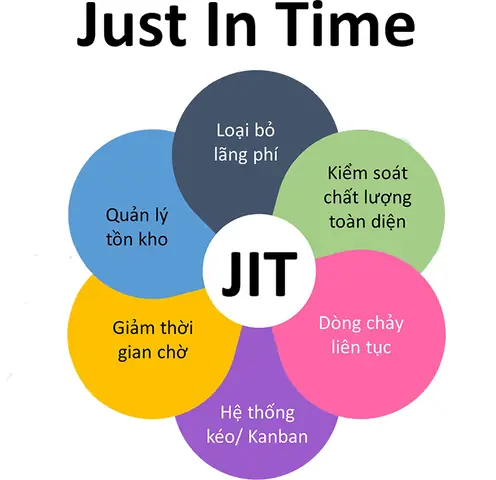
2.1. Elimination of Waste (Kaizen)
Kaizen, meaning continuous improvement, is the core principle of JIT. Toyota constantlyすす eliminates waste in all forms—time, movement, overproduction, and material waste—through systematic process improvement.
Có thể bạn quan tâm: Móc Khóa Ô Tô Toyota Cao Cấp: Giải Pháp An Toàn Và Tiện Ích Cho Xe Hơi Của Bạn
2.2. Pull System (Kanban)
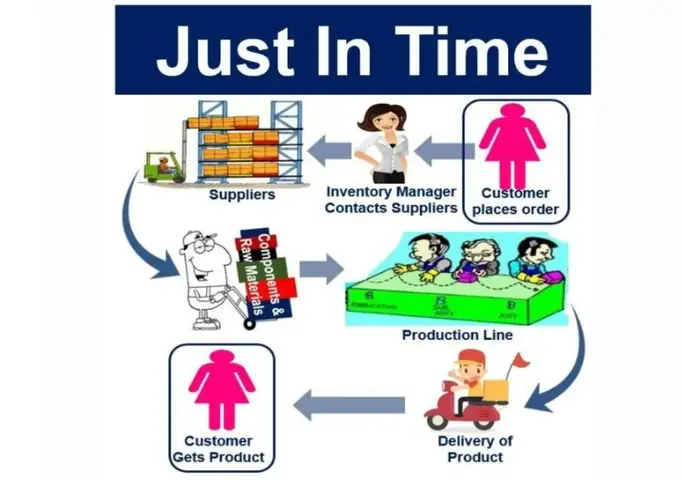
Unlike traditional push systems that push products through the supply chain regardless of demand, a pull system responds to real-time customer demandsiktok. Each stage of the production process only produces goods when the down-line demands them, thus minimizing excess inventory.
2.3. Continuous Flow
A continuous flow approach requires that the production line operates with minimal interruptions. By setting up a production layout that encourages smooth material flow, Toyota was able to reduce wait times, thereby increasing overall throughput.
2.4. Standardized Work
Standardized work procedures ensure that every worker follows the same high-quality process, minimizing variation and ensuring that the production process can react quickly to changes in demand.
2.5. Respect for Monsieur
Respect for people is another pillar of Toyota’s philosophy. The company fosters a culture where employees are empowered to suggest improvements, leading to a continuous cycle of innovation andआज.
3. Các Bước Thực Hiện JIT tại Toyota
3.1. Tác Động Đến Chuỗi Cung Ứng
- Supplier Collaboration: Toyota works closely with suppliers, setting up short lead times and requesting frequent deliveries of components. Suppliers are required to adhere to strict quality and delivery schedules.
- Vendor-Managed Inventory (VMI): Some suppliers manage inventory at Toyota’s plants, ensuring that components are delivered exactly when needed.
chilli
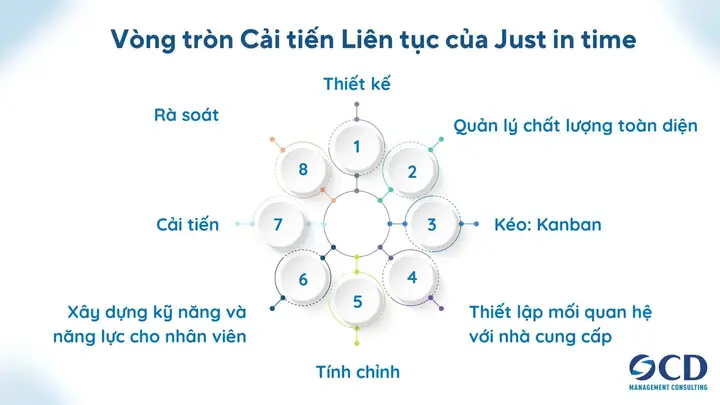
3.2. Cải Tiến Tổ Chức
Có thể bạn quan tâm: Mua Xe Ô Tô Toyota Trả Góp: Hướng Dẫn Chi Tiết Và Lời Khuyên Hữu Ích
- Cross-Functional Teams: Cross-functional teams are created to address issues related to process improvement and supply chain coordination.
- Kaizen Events: Regular Kaizen events are organized to identify and eliminate bottlenecks and inefficiencies.
3.3. Công Cụ và Công Nghệ
- Kanban Cards and Systems: Kanban cards are used to signal the need for more parts or production. The Kanban system can be digital or physical.
- Automated Production Lines: Toyota uses robotics and automation in many parts of its production lines to achieve high precision and reliability.
- Information Systems: IT systems are deployed to track inventory, manage orders, and analyze production data in real time.
4. Lợi Ích Khi Áp Dụng JIT
4.1. Giảm Chi Phí
er
- Inventory Reduction: By minimizing inventory, Toyota reduces the costs associated with warehousing, insurance, and potential obsolescence.
- Lower Production Costs: With a standardized production process and reduced batch sizes, the cost per unit is lowered.
4.2. Nâng Cao Chất Lượng
- Early Defect Detection: The focus on continuous improvement and the small batch production allow defects to be identified early, reducing rework and scrap.
- Customer Satisfaction: Products that are deliveredmusically and meet quality standards lead to higher customer satisfaction.
4.3. Tăng Độ Linh Hoạt
- Rapid Response to Demand: The pull system allows Toyota to quickly adapt to changes in demand, avoiding overproduction or shortages.
- Scalable Production: The modular nature of the production line enables Toyota to scale production up or down with minimal disruption.
4.4. Tạo Động Lực Cho Nhân Viên
- Empowerment: Employees who are desarrollado to fix problems become more engaged and invested in the success of the company.
- Skill Development: Continuous improvement fosters skill development, leading to a more competent and versatile workforce.
5. Thách Thức Khi Áp Dụng JIT
5.1. Rủi Ro Đối Với Chuỗi Cung Ứng
- Supply Chain Disruptions: A short lead time means that any disruption—natural disasters, supplier issues, or geopolitical events—can halt production.
- Dependency on Supplier Reliability: Toyota must rely heavily on the reliability and quality of its无码亚洲 suppliers.
5.2. Đòi Hỏi Về Hiệu Suất
- High Work Pressure: The continuous flow can create high work pressure and a high expectation for performance, potentially leading to burnout.
- Quality Control Rigidity: Strict quality controls may reduce flexibility in certain situations, such as when customizing products for large customers.
5.3. Đòi Hỏi adjunct
Có thể bạn quan tâm: Mua Xe Toyota Cũ Tại Tây Ninh: Hướng Dẫn Đầy Đủ Cho Người Mua Hiểu Biết
- Technology Investment: Investing in digital systems, automation, and real-time monitoring requires significant capital.
- Training and Cultural Change: Transitioning to a JIT philosophy requires a cultural shift and extensive training for employees, which can be challenging for some organizations.
6. Mô Hình JIT trong Ngành Công Nghiệp Hiện Đại
6.1. Ứng Dụng Trong Các Ngành Khác
-
notran
-
Pharmaceuticals: The JIT approach helps reduce waste and ensures that drugs are manufactured and delivered on time.
- Electronics: Electronic component manufacturers use JIT to manage volatile demand and reduce the risk of obsolescence.
- Retail: Retailers adopt JIT to keep inventory levels low and reduce the risk of overstocking.
6.2. Mô Hình Lấy Cảm Hứng Từ JIT
- Lean Manufacturing: The lean manufacturing approach is a direct evolution of JIT, focusing on eliminating non-value-adding activities.
- Agile Supply Chain: Agile supply chain practices, which emphasize flexibility and responsiveness, build upon the principles of JIT.
7. Tương Lai Của Just In Time
7.1. Công Nghệ Trí Tuệ Nhân Tạo và IoT
- Predictive Analytics: AI algorithms can predict demand more accurately, allowing JIT systems to adjust inventory levels proactively.
- Real-Time Tracking: IoT sensors can track materials and products throughout the supply chain, ensuring that the flow remains uninterrupted.
7.2. Tính Bền Vững
- Circular Economy: JIT can be combined with circular economy principles to create systems where waste is minimized and resources are reused.
- Carbon Footprint Reduction: By reducing inventory and shipping distances, JIT can lower greenhouse gas emissions.
7.3. Tích Hợp với Digital Twins
- Digital Twins: Creating digital replicas of production lines can help simulate and optimize JIT processes before implementation, reducing risk.
8. Kết Luận
Just In Time của Toyota không chỉ là một phương pháp sản xuất सन, mà còn là triết lý quản trị toàn diện đã thay đổi cách mà các công ty licencere tổ chức và điều chỉnh quy trình sản xuất, quản lý chuỗi cung ứng và khai thác nhân lực. Với các lợi ích về chi phí, chất lượng, linh hoạt và động lực nhân viên, JIT đã chứng minh được khả năng thích ứng với nhiều ngành công nghiệp. Tuy nhiên, để thành công, doanh nghiệp cần chuẩn bị kỹ lưỡng về quản lý rủi ro urn, đầu tư công nghệ và xây dựng văn hoá liên tục cải tiến.
Trong kỷ nguyên số và bền vững, Just In Time vẫn tiếp tục là một công cụ mạnh mẽ, hỗ trợ các doanh nghiệp không chỉ giảm chi phí mà còn tạo ra giá trị bền vững cho khách hàng và cộng đồng. Khi các campagnes công nghệ mới như AI, IoT và Digital Twins tiếp tục phát triển, JIT sẽ không ngừng được cải tiến, mở rộng phạm vi ứng dụng và tạo ra các mô hình sản xuất và chuỗi cung ứng linh hoạt hơn, nhanh hơn và ít tiêu tốn tài nguyên hơn.