
Có thể bạn quan tâm: Hướng Dẫn Sử Dụng Máy May Gia Đình Toyota
Introduction
Toyota has long been renowned for its commitment to reliability, safety, and innovation. One of the most critical safety features in every vehicle is its lighting system. From the sleek headlights that illuminate the road to the subtle interior LEDs that enhance cabin ambience, Toyota’s lighting solutions blend cutting‑edge technology with practical design. Whether you’re a seasoned Toyota owner, a mechanic looking to deepen your knowledge, or a prospective buyer evaluating options, this guide will take you through the intricacies of Toyota’s lighting systems, covering everything from basic components to advanced upgrades.
1. Understanding_New Toyota Lighting Architecture
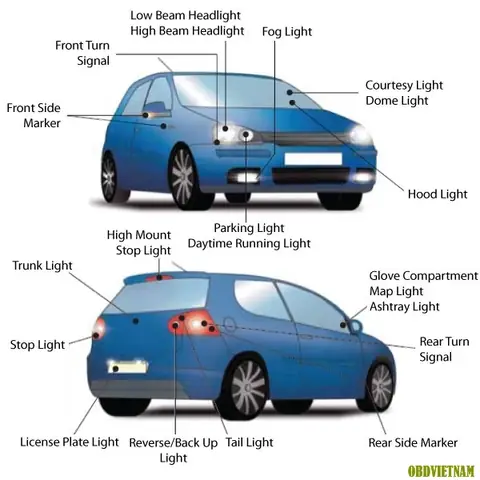
Toyota’s lighting architecture has evolved significantly over the past decade, moving from conventional halogen bulbs to sophisticated LED arrays and adaptive lighting systems. The modern Toyota lighting system is modular, meaning each lighting zone—front, rear, interior, auxiliary—can be upgraded or serviced independently. This modularity not only simplifies maintenance but also allows manufacturers to implement new technologies without overhauling the entire vehicle.
1.1 Key Components
| Component | Function | Typical Technologies Used |
|---|---|---|
| Headlights | Primary forward illumination | Halogen, HID, LED, Adaptive LED |
| Fog Lights | Low‑level illumination for fog, rain | LED, Halogen |
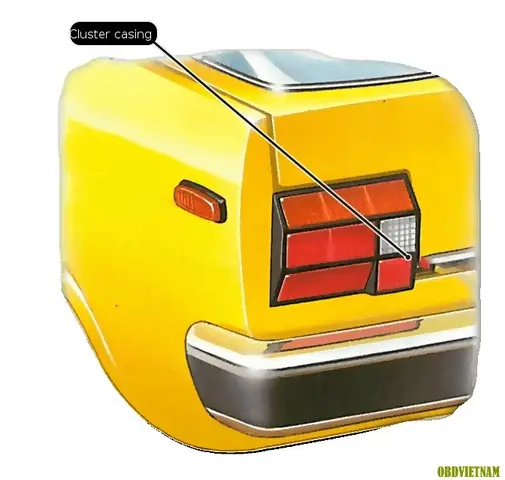
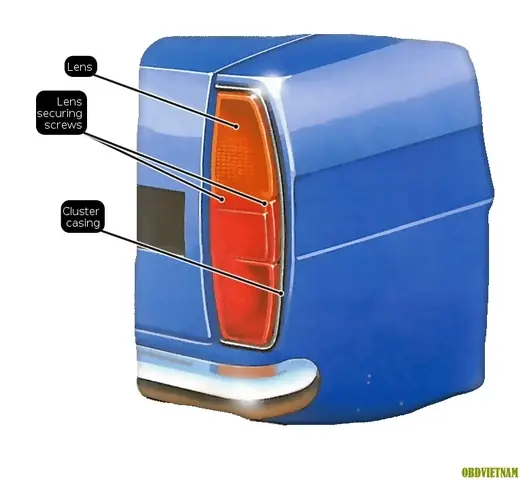
| Rear Lights | Brake, turn, reverse signals | LED, Halogen |
| Daytime Running Lights (DRL) | Enhance visibility during daylight | LED |
| Interior Ambient Lights | Cabin illumination, mood lighting | LED strips, RGB |
| Instrument Panel LEDs | Dashboard visibility | Multi‑color LEDs |
| Signal & Turn Indications | Directional alerts | LED or color‑changing |
| Parking Lights | Low‑intensity illumination for parking | LED |
| High‑Beam Assist | Beam modulation for safety | Adaptive LED |
2. Headlight Evolution on Toyota Vehicles
Toyota has consistently prioritized driver visibility and safety in its headlight designs. The evolution of headlight technology reflects broader industry trends and Toyota’s own engineering philosophy.
2.1 Conventional Halogen Headlights
Early Toyota models (pre‑2005) predominantly used halogen bulbs. While reliable and relatively inexpensive, halogens have several drawbacks:
– Limited Lifespan – Typically 500–1,000 hours.
– Lower Brightness – 700–1,000 lumens per bulb.
– Higher Heat Output – Can affect surrounding components.
2.2 HID (High‑Intensity Discharge) Headlights
Introduced in the early 2000s, HID headlights offered brighter illumination and longer life (up to 2,000 hours). They also provide a whiter light spectrum, improving contrast on the road. However, HID systems require ballast units and can be more costly to repair.
2.3 LED Headlights
Todaynde, most new Toyota models feature LED headlights as standard or optional equipment. LED advantages include:
– Energy Efficiency – 2–3 times lower power consumption.
– Longevity – 10,000–15,000 hours.
– Instant On – No warm‑up time.
– Design Flexibility – Enables unique lighting signatures.
Toyota’s “Adaptive LED” headlights, available on models like the Camry Hybrid and RAV4, can dynamically adjust the beam pattern. The system uses sensors to detect steering angle and road curvature, automatically shaping the beam to illuminate curves while avoiding glare to oncoming traffic.
2.4 Adaptive Headlight Systems
Beyond simple LED, Toyota has implemented adaptive systems such as the Adaptive Multi‑Beam on the 2022 Toyota Highlander. This fuller‑scale system uses multiple LED arrays to create a “laser‑like” illumination pattern. By+ the system adjusts to varying speeds and road conditions, providing optimal visibility while preserving energy efficiency.
Có thể bạn quan tâm: Hệ Thống Siêu Nạp Turbo Tăng Áp Xe Toyota
3. Fog Light Technologies
Fog lights are essential for low‑visibility conditions. Toyota’s fog lights have evolved from simple halogen bulbs to LED arrays that provide a broader, flatter beam.
- LED Fog Lights – Offer a wider spread,sono improving visibility in heavy rain or snow without creating harsh glare. Some models feature integrated LED fog lights built into the front bumper, providing a sleeker look.
- Hybrid Fog Lights – In certain models, Toyota combines LED with halogen to maintain a consistent light color temperature.
4. Rear Lighting Innovations
Toyota’s rear lighting architecture focuses on safety, visibility, and design coherence.
4.1 LED Rear Lights
Most recent Toyota models now use LED for brake lights, turn signals, and reverse lights. LED rear lights provide:
– Rapid Response – Almost instantaneous light activation.
– Longer Life – 15,000–20,000 hours.
– Low Power Draw – Helps preserve battery life.
4.2 Adaptive Brake Lights
Toyota’s adaptive brake lights, available on the 2023 Toyota Prius, modulate intensity based on braking force. This feature provides clearer braking cues to trailing vehicles, enhancing safety in heavy traffic.
4.3 Rear-View Camera Integration
In many modern Toyota vehicles, the rear‑view camera’s brightness is tied to the tail‑light system. The camera’s LED illumination intensifies during low‑light conditions, improving visibility for drivers.
5. Interior Lighting and Ambience
Toyota’s interior lighting goes beyond functional illumination. The company recognizes the role of lighting in setting mood and enhancing the driving experience.
5.1 Ambient Lighting
Toyota’s “Ambient Lighting” system, first introduced on the 2020 Corolla, allows drivers to choose from a palette of colors for the cabin. This LED strip lighting can be set খুব দ্রুত in various modes (e.g., “Relax,” “Focus,” “Sport”) and can sync with music or vehicle speed.
5.2 Dashboard LEDs
Instrument panels now feature multi‑color LEDs that change based on speed, engine temperature, or navigation status. This not only looks modern but also improves readability.
5.3 Adaptive Interior Lighting
Có thể bạn quan tâm: Hướng Dẫn Ốp Bậc Cửa Ngoài Xe Toyota Yaris: Từ Chuẩn Bị Đến Hoàn Thiện
Certain Toyota hybrids, such as the Prius, incorporate an Adaptive Interior Lighting system that adjusts brightness automatically depending on ambient light. This reduces eye strain during nighttime driving.
6. Signal & Turn Indications
Signal LEDs in Toyota vehiclesI’ll function more precisely than older incandescent bulbs. Theyessa provide:
– Consistent Brightness – Less variation across temperature changes.
– Color Versatility – Some models allow color customization (e.g., white, amber, or even RGB for interior LEDs).
7. Daytime Running Lights (DRL)
Toyota’s DRL systems have become a standard feature across its lineup since the early 2010s. DRLs are typically LED-based and offer:
– Improved Visibility – Constant low‑intensity illumination.
– Safety – Reduced risk of collision in low‑visibility conditions.
– Energy Efficiency – Minimal impact on battery.
Toyota’s DRL also integrates with the vehicle’s lighting control module, allowing for adaptive brightness scaling.
8. Safety Considerations for Lighting Systems
Safety is paramount when it comes to automotive lighting. Here are key points Toyota emphasizes:
8.1 Proper Maintenance
- Check for Dimming or Flickering – Signals a failing bulb or poor connection.
- Inspect for Physical Damage – Cracks or dents can affect beam pattern.
- Clean Reflectors – Dirt or grime reduces light output.
8.2 Firmware Updates
Some Toyota vehicles incorporate firmware that controls lighting behavior. Toyota may release updates to improve beam patterns or rectify erroneous lighting signals. Owners should keep their vehicles’ software up‑to‑date.
8.3 Legal Compliance
- Beam Angle Regulations – Ensure headlights are not too high or low to avoid glare.
- Color Standards – Use only approved colors for brake, reverse, and turn signals.
8.4 Grounding & Electrical Load
Incorrect grounding can create voltage drops, leading to dimming or failure. Toyota’s integrated Vehicle Control Module (VCM) monitors electrical load and alerts drivers to potential issues.
9. Maintenance & Troubleshooting
Below is a practical checklist for maintaining Toyota lighting systems:
| Issue | Symptom | Common Fix |
|---|---|---|
| Headlight Dimming | Dim in one or both headlights | Replace bulb; check for loose connections; inspect for corrosion. |
| Fog Light Failure | Fog light off or flickering | Check fuse; replace bulb; inspect wiring harness. |
| Rear Light Flashing | Brake or turn signal flashing intermittently | Replace bulb; check for a faulty relay. |
| Interior Light Malfunction | Dimming or flickering interior LEDs | Replace LED strip or check for loose connectors. |
| DRL Not Working | DRL respective not illuminating | Check function, inspect wiring, or update firmware. |
Tip: Use a 12‑volt multimeter to verify voltage at the light socket when diagnosing issues. Toyota’s diagnostic software can also read trouble codes related to lighting systems (e.g., P0420 for headlight misalignment).
10. Upgrading Your Toyota Lighting System
Có thể bạn quan tâm: Hướng Dẫn Thay Lốp Dự Phòng Ô Tô Toyota
For enthusiasts or owners wanting to modernize their lighting, there are several upgrade paths. Toyota’s own Aftermarket Lighting Kit often includes LED headlight converters, upgraded fog lights, and ambient lighting strips.
10.1 LED Headlight Converters
- Pros – Brightness, energy efficiency, instant on.
- Cons – Requires wiring adapter; may need a new reflector.
10.2 Adaptive LED Headlight Kits
These kits replicate Toyota’s adaptive headlight logic but usually cost less. Ensure compatibility with your vehicle’s control module.
10.3 Ambient Lighting Upgrades
Third‑party RGB strips can be installed in the cabin. Most kits come with a remote or smartphone app for color control.
10.4 Fog Light Upgrades
Replacing halogen fog lights with LED equivalents provides a broader beam. Some kits come with a “fog light mounting bracket” to ensure proper alignment.
10.5 DIY vs Professional Installation
While many components are relatively simple to install, complex systems like adaptive headlights benefit from professional integration to ensure proper sensor alignment and software configuration.
11. Environmental Impact
Toyota’s shift towards LED lighting significantly reduces energy consumption and carbon emissions. LEDs consume 70–80% less power than halogens and have a longer lifespan, reducing waste. Moreover, Toyota’s lighting systems are designed to be recyclable, with components such as LED chips and reflectors made from recyclable materials.
12. Future Trends in Toyota Lighting Technology
Toyota is already investing in next‑generation lighting technologies:
- Laser‑Guided Headlights – Provide a laser‑like beam for improved range.
- Smart Lighting – Integrates with the vehicle’s infotainment system to adapt to driving style.
- Wireless Lighting Controls – Eliminates the need for physical wiring harnesses in interior lighting.
Additionally, Toyota is exploring photonic solutions, where small-scale photonic crystals can manipulate light for even more efficient illumination.
13. Frequently Asked Questions (FAQ)
- Why are my headlights dimming?
Common reasons include a failing bulb, a loose connection, or a malfunctioning headlight control module. - Can I install aftermarket LED headlights on my Toyota?
Yes, but ensure they are compatible with your vehicle’s electrical system and do not violate local regulations. - How often should I replace my fog lights?
Fog lights typically last 2,000–3,000 hours, but it depends on usage and environmental conditions. - What is the difference between a standard DRL and an adaptive DRL?
Adaptive DRL changes brightness based on speed and ambient light, whereas standard DRL remains constant. - Do my interior LEDs consume a lot of power?
No, interior LEDs are designed to consume minimal power, often less than 5 watts total.
14. Conclusion
Toyota’s lighting systems exemplify the brand’s ethos: safety, reliability, and innovation. From adaptive LED headlights that anticipate road curves to ambient interior lighting that enhances user experience, Toyota has integrated advanced technologies to improve both visibility and comfort. Regular maintenance, awareness of legal requirements, and mindful upgrades can keep your Toyota’s lighting at peak performance. As lighting technology continues to evolve—toward laser‑guided beams, smart integration, and greater energy efficiency—Toyota’s commitment to leading the industry remains clear. Whether you’re driving the latest Corolla, exploring a RAV4 Hybrid, or upgrading your Prius, understanding the intricacies of Toyota’s lighting systems empowers you to make informed decisions and enjoy a safer, brighter driving experience.