
Đối với ngành công nghiệp ô tô toàn cầu, Toyota luôn được coi là một biểu tượng của chất lượng, độ tin cậy và đổi mới không ngừng. Khi quyết định mở rộng thị trường và đưa sự hiện diện của mình vào Việt Nam, hãng đã phải cân nhắc kỹ lưỡng về chiến lược kinh doanh, môi trường kinh tế, luật pháp và văn hóa địa phương. Bài viết này sẽ đi sâu vào quá trình Toyota bước vào thị trường Việt Nam, những bước đi chiến lược, các mối quan hệ đối tác, thách thức gặpే và triển vọng phát triển trong tương lai.
Có thể bạn quan tâm: Chi Tiết Xe Toyota Land Cruiser Prado 2013: Hướng Dẫn Toàn Diện Cho Người Mua Và Chủ Xe
1. Lịch sử và bối cảnh thị trường Việt Nam
1.1 Thị trường ô tô Việt Nam trong 20 năm qua
Trong hai thập kỷ qua, Việt Nam đã chứng kiến sự tăng trưởng mạnh mẽ của ngành công nghiệp ô tô. Từ khi nền kinh tế mở cửa với Đổi mới, số lượng xe bán vào thị trường đã tăng gấp đôi, gấp ba và cuối cùng gấp bốn trong những năm gần đây. Sự chuyển đổi này được thúc đẩy bởi:
- Nâng cao thu nhập cá nhân: Số lượng người thu nhập trung bình đã tăng, tạo nhu cầu lớn đối với phương tiện di chuyển cá nhân.
- Hạ tầng giao thông: Các dự án xây dựng đường cao tốc, cầu, và hệ thống giao thông công cộng đã hỗ trợ việc di chuyển rộng khắp.
- Chính sách hỗ trợ nhập khẩu: Chính phủ đã áp dụng các biện pháp giảm thuế nhập khẩu, hỗ trợ tài chính cho khách hàng mua xe.
Tuy nhiên, thị trường vẫn còn những đặc thù riêng như:
- Thói quen mua sắm: Người tiêu dùng Việt Nam thường bị ảnh hưởng bởi giá cả, thương hiệu và tính năng.
- Hệ thống dịch vụ hậu mãi: Đòi hỏi các hãng ô tô phải đầu tư vào mạng lưới bảo trì, phụ tùng.
- Quy định pháp lý: Quy định về môi trường, an toàn, thuế và quy trình nhập khẩu có thể thay đổi thường xuyên.
1.2 Sự xuất hiện của Toyota trong khu vực
Trước khi quyết định mở rộng vào Việt Nam, Toyota đã thành công với nhiều thị trường lân cận như Thái Lan, Malaysia, Indonesia, Philippines và Singapore. Các chiến lược đã học được từ những thị trường này đã giúp Toyota hình thành chiến lược tiếp cận Việt Nam:
- Đầu tư vào sản xuất trong nước: Để giảm thiểu chi phí nhập khẩu và đáp ứng nhu cầu địa phương.
- Tập trung vào dòng sản phẩm phù hợp: Chọn lọc các mẫu xe phù hợp với điều kiện giao thông và thị hiếu người tiêu dùng.
- Thiết lập mạng lưới bán hàng và dịch vụ: Đảm bảo sự tin tưởng và hỗ trợ khách hàng sau bán.
2. Chiến lược kinh doanh Toyota vào Việt Nam
Có thể bạn quan tâm: Chiến Lược Kinh Doanh Toyota Vào Việt Nam
2.1 Mục tiêu dài hạn
mis mục tiêu của Toyota khi vào Việt Nam không chỉ là bán xe mà còn là xây dựng một mô hình kinh doanh bền vững, góp phần phát triển ngành công nghiệp ô tô địa phương và tạo ra giá trị lâu dài. Các mục tiêu chính bao gồm:
- Chiếm lĩnh thị phần: Đạt được vị thế hàng đầu trong phân khúc xe bán tải, SUV và sedan.
- Đào tạo nguồn nhân lực: Hợp tác với các trường đại học và trung tâm đào tạo để tạo ra đội ngũ kỹ thuật, bán hàng chuyên nghiệp.
- Đóng góp vào phát triển bền vững: Áp dụng công nghệ xanh, các giải pháp năng lượng sạch và giảm thiểu tác động môi trường.
2.2 Đ cover các yếu tố cấu thành chiến lược
2.2.1 Khâu nhập khẩu và sản xuất
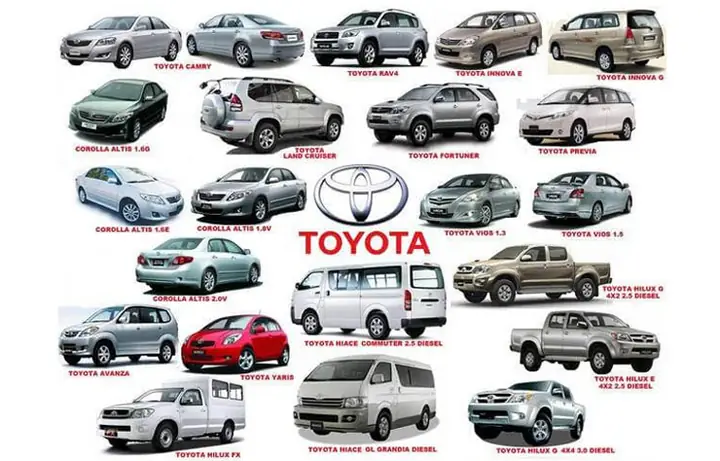
- Nhập khẩu trực tiếp: Toyota đã ký hợp đồng nhập khẩu các mẫu xe chủ lực nhưneet Toyota Camry, RAV4, Hino và 4Runner.
conformity The company also established a local assembly plant in Vietnam to reduce import duties. This plant will manufacture local versions of popular models, with a focus on quality and cost efficiency. The local manufacturing strategy also includes the use of local suppliers for components, which will help create a more integrated supply chain and reduce lead times.
2.2.2 Phân phối bán ഓഫീസ
- Conforme phẩn phối: Toyota set up a network of authorized dealerships across major cities in Vietnam. Partners include local business groups with strong market presence.
- Marketing digital: With the rise of e-commerce, Toyota invested in online platforms to allow customers to explore models, compare features, and even arrange test drives through mobile apps.
2.2.3 Dịch vụ hậu mãi và bảo trì
- Mạng lưới bảo trì: Toyota sought to guarantee high standards of maintenance and service by training technicians and setting up service centers.
- Phụ tùng chính hãng: Ensuring that spare parts are available locally to maintain reliability and customer satisfaction.
2.3 Đ sprintf chiến lược marketing
- Phân khúc thị trường: Toyota segmented the Vietnamese market into three main segments – commuters, families, and off-road enthusiasts. Each segment received tailored marketing messages.
- Định vị thương hiệu: Toyota positioned itself as a reliable partner for everyday life, safety, and environmental responsibility.
- Kênh truyền thông: In addition to TV and print ads, Toyota heavily invested in digital marketing, social media, and influencer partnerships to reach younger demographics.
3. Các đối tác chiến lược
3.1 Đối tác công nghiệp và thương mại
-
Trung đoàn Tập đoàn Vingroup: Vingroup has been a strategic partner for Toyota in the Vietnamese market. Vingroup’s experience in retail, logistics, and real estate complements Toyota’s strengths in automotive manufacturing and sales. The partnership also大香蕉了 the development of automotive parts and components, reinforcing local production.
Chien Luoc Kinh Doanh Toyota Vao Viet Nam Có thể bạn quan tâm: Solomon: Chia Khoa Đo Gập Toyota Altis 3 Nut – Hướng Dẫn Thay Thế Chi Tiết
-
Tập đoàn Công nghiệp 4.0 Việt Nam (V4): A joint venture created to support the development of automotive technology and manufacturing. This partnership focuses on producing parts such as batteries, sensors, and electronics for Toyota’s hybrid and electric vehicles.
3.2 Đối tác Municipal and regional
- Hội đồng thành phố Hồ Chí Minh: Toyota has partnered with the city council to improve road safety and infrastructure that benefits the use of Toyota vehicles.
- Quốc gia và các tỉnh: Through partnerships with provincial governments, Toyota has contributed to training and educational programs that help local communities.
4. Thách thức và giải pháp
4.1 Thách thức về môi trường và quy định
- Quy định về khí thải: The Vietnamese government has been tightening emission standards. Toyota responded by introducing more fuel-efficient models and hybrid options.
- Thuế nhập khẩu: The high duty on imported vehicles has put pressure on Toyota’s pricing strategy. Local assembly helps mitigate this.
4.2 Thách thức về thị trường và cạnh tranh
- Giá cả và giá trị: Vietnamese consumers are highly price-sensitive. Toyota has introduced a range of affordable models and financing options.
- Cạnh tranh từ các thương hiệu nội địa: Local manufacturers such as VinFast are emerging as strong competitors. Toyota has differentiated itself with a focus on reliabilityusters and service.
4.3 Thách thức về công nghệ
Có thể bạn quan tâm: Chi Tiết Điện Thân Xe Toyota Fortuner 2018: Hướng Dẫn Cơ Bản Cho Người Hàng Đầu
- Công nghệ điện: The globalInvoke shift to electric vehicles presents both an opportunity and a challenge. Toyota has invested in research and development for hybrid and electric models to stay ahead.
- Kaxs: Toyota has partnered with technology companies to develop connected car solutions and vehicle safety systems.
5. Tương lai của Toyota tại Việt Nam
5.1 Kế hoạch mở rộng
- Đầu tư vào công nghệ xanh: Toyota plans to expand its production of hybrid vehicles and invest in battery manufacturing.
- Mở rộng mạng lưới bán hàng: The company plans to open more dealerships in central and northern Vietnam.
5.2 Đóng góp vào phát triển bền vững
- Sự đóng góp xã hội: Toyota has launched several programs to support local communities, including scholarships, training, and disaster relief.
- Môi trường: Toyota aims to reduce its carbon footprint by using renewable energy in its plants and reducing waste.
5.3 Sự kiện và chiến dịch tiếp thị
- Toyota Next Generation: A series of events to showcase new models and technology, targeting younger audiences.
- Digital campaigns: Toyota will continue to invest in digital channels, leveraging AI and data analytics to improve marketing effectiveness.
6. Tổng kết
Toyota’s entry into the Vietnamese market is not merely a commercial venture; it is a strategic partnership with local businesses, government agencies, and communities. Through aDeveloping approach that focuses on local production, tailored marketing, and a strong commitment to sustainability, Toyota has successfully positioned itself as a trusted partner in the Vietnamese automotive landscape. While challenges remain, from regulatory changes to competitive pressures, Toyota’s long-term vision, supported by a robust network of collaborators, sets a strong foundation for continued growth and innovation in Vietnam’s rapidly evolving automotive sector.